Automotive reference · Buying guides
Types of Car Interior Materials: Leather, Cloth, Alcantara & More
How the most common seat materials feel, how they hold up, and what to check before choosing your next used car.
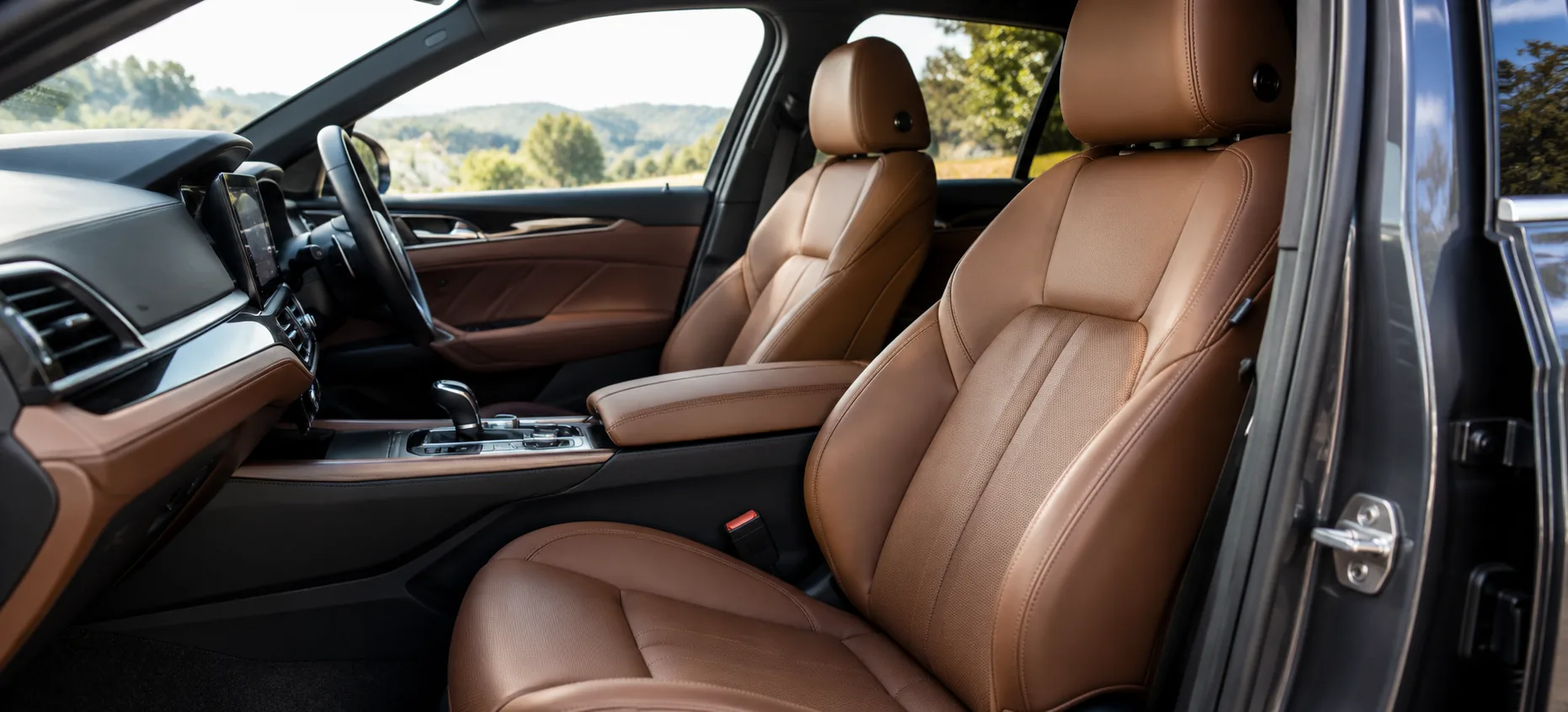
When you're shopping for a car, the seats are one of the first things you notice. Some feel soft and luxurious. Others are easier to clean, stay cooler in summer, or stand up better to years of daily driving. The material makes a difference, especially if you're buying a used car.
The confusing part is the names. Toyota calls one material SofTex. Mercedes-Benz uses MB-Tex. You'll also see Nappa leather, Alcantara, and something simply called leatherette. Some of these are real leather, and some aren't. You can't always tell by looking at a photo.
As you compare available used vehicles, here's a look at the main types of car interior materials, what they're good at, and where they fall short. We'll also cover the names car manufacturers use and a few ways to figure out exactly what kind of seats a used car has.
Car interior materials at a glance
There isn't one material that's best for everybody. A family with young kids may care most about spills, while someone buying a weekend sports car may prefer a grippier seat. This chart gives you a quick place to start.
| Material | Comfort | Maintenance | Typical cost tier |
|---|---|---|---|
| Cloth | High | Moderate | $ |
| Genuine leather | High | Moderate | $$$ |
| Nappa leather | Very high | Moderate | $$$$ |
| Synthetic leather / leatherette | Moderate to high | Easy | $$ |
| Alcantara | High | Moderate | $$$ |
| Natural suede | High | More demanding | $$$ |
| Vinyl | Moderate | Easy | $ to $$ |
| Synthetic suede / microfiber | High | Moderate | $$ to $$$ |
These price levels are general. A lot depends on the vehicle and trim package. Nappa is a type of real leather, and Alcantara is a brand of synthetic suede-like material.
Compare materials by what matters to you
Choose a priority to sort the materials. These editorial estimates use a 1–5 scale; they are not laboratory measurements or product ratings.
Coating, color, ventilation and maintenance can change how an individual seat performs.
The Most Common Car Interior Materials and What They’re Best For
Car seats come in more varieties than you might expect. Here are the materials you'll come across most often, from everyday cloth to the leather and suede-like finishes used in luxury and performance cars.
1. Genuine leather
Real leather is made from animal hide, usually cowhide. Before it goes into a car, the hide is tanned, colored, and finished. Most everyday automotive leather has a protective coating that helps keep stains and wear under control. Some luxury leather has a lighter finish that lets more of the natural grain show through.
Coated leather is a good fit for a lot of daily drivers. It looks upscale but usually isn't too difficult to keep clean. Softer, less protected leather can feel nicer, although you may have to be more careful with it. One detail worth checking: when a car is advertised as leather-trimmed, only parts of the seat may actually be leather. The sides and back can be synthetic.
What it's good for: A traditional premium look, comfortable seating, and spills you can often wipe up before they soak in. Things to watch: Scratches, worn coatings, cracked bolsters, and expensive repairs. Dark leather can also get very hot in the sun.
When buying used: Check the outer edge of the driver's seat. That's where you'll often find the most wear from getting in and out. Look for cracks, shiny patches, loose stitching, and changes in color.
2. Nappa leather
Nappa leather is real leather. The name usually refers to a soft, supple finish rather than a completely different type of material. It's common in luxury sedans and higher-trim SUVs because it feels smoother and more expensive than many standard leather seats. But not every manufacturer uses the name in exactly the same way.
The main attraction is how it feels. Nappa often has a softer touch and more natural-looking surface. The trade-off is that some versions are easier to stain or scuff, particularly in light colors. A Nappa seat isn't automatically more durable just because it costs more.
Is it worth paying extra? It can be, especially if you spend a lot of time driving and really notice the difference in seat feel. But don't buy a car just for the Nappa label. A comfortable standard leather seat with good support and ventilation may be the better choice. Our guide to power seat adjustments explains lumbar support, cushion tilt and other controls that affect how a seat fits you.
3. Synthetic leather (leatherette)
Leatherette is imitation leather, usually made by putting a synthetic coating over fabric. The coating is commonly polyurethane (PU) or PVC. Manufacturers can give it a leather-like grain, make it soft to the touch, and even add perforations. Some inexpensive versions feel like plastic, but better ones can be surprisingly close to real leather.
For everyday use, leatherette has a lot going for it. It's generally easy to wipe clean and often costs less than genuine leather. It also doesn't use animal hide. The downside is that some versions don't breathe especially well, and an older synthetic coating can eventually crack or peel. Quality varies a lot.
You've probably seen leatherette under another name. Toyota uses SofTex, Mercedes-Benz uses MB-Tex, BMW has offered SensaTec, and Lexus uses NuLuxe. These are brand names, so check the factory description for the exact vehicle you're considering.
4. Alcantara
Alcantara looks and feels a little like suede, but it isn't made from animal hide. It's a branded microfiber material made from polyester and polyurethane. You'll often find it on sport seats, steering wheels, and headliners. Carmakers like its matte appearance and the extra grip it can provide.
That grip is especially useful in performance cars, where slippery seat inserts aren't ideal. The catch is maintenance. A steering wheel wrapped in Alcantara can pick up oils from your hands, and the fibers may start looking flat or shiny if they're neglected.
Clean Alcantara gently. Start with a soft brush or vacuum and follow the manufacturer's instructions for stains. Regular leather conditioner isn't meant for it. Scrubbing hard or soaking the material can make things worse.
5. Cloth and fabric upholstery
Cloth seats are usually made from woven or knitted synthetic fibers, such as polyester or nylon. They're common on affordable cars, but that doesn't mean they're all basic. Some manufacturers offer attractive, tightly woven fabrics that feel good and hold up very well.
One of cloth's biggest advantages is temperature. It usually doesn't feel as hot as smooth leather on a sunny afternoon or as cold on a freezing morning. It's also comfortable for long drives. The downside is that coffee, food, and other spills can soak into the fibers. Cloth can hang onto pet hair and odors, too. The roof and shade also affect cabin comfort; see our comparison of panoramic and regular sunroofs when checking heat and sunlight.
A clean cloth interior can look great after years of use. When shopping used, look for stains, sagging cushions, thinning fabric, and unusual smells. Don't assume leather is in better shape just because it's the more expensive material.
6. Vinyl upholstery
Vinyl is a type of synthetic upholstery, usually made with PVC over a fabric backing. It's closely related to what many people call leatherette, although vinyl is a more specific material term. It tends to have a tougher, less absorbent surface.
That's why vinyl is still useful in work trucks and commercial vehicles. Muddy clothes, dirty tools, and the occasional spill are usually easier to deal with than they would be on cloth. Comfort is the trade-off. Some vinyl seats feel less breathable or a little sticky in hot weather.
7. Natural suede and other specialty materials
Natural suede is leather with a soft, fuzzy surface. It feels nice, but it can stain and mark fairly easily. You don't see it very often on the main seating surfaces of production cars.
Most of the suede-looking material in modern cars is synthetic microfiber instead. Alcantara and Dinamica are two examples. They're made for automotive use, but they don't all have identical textures or cleaning instructions. You may also find wool blends, recycled fabrics, and other specialty textiles in certain models.
Leather, Leatherette, and Cloth: How They Compare
The best way to compare seat materials is to think about your actual driving. A material that's great for a sports car may not be your first choice for a family SUV.
Leather vs. leatherette
Real leather has a natural look and feel that many people prefer. Leatherette is usually more consistent in appearance, less expensive, and easier to wipe down. In a newer car, good leatherette can look so convincing that most shoppers won't spot the difference right away.
Neither one is perfect. Real leather can crease, crack, or wear through its finish. Leatherette can eventually peel or split. Both can get hot in the sun, especially in black seats without ventilation. The condition of the particular car matters more than broad claims about which one lasts longer. Our used-car warning-sign checklist covers the wider inspection, too.
Leather vs. cloth seats
Cloth usually wins for that first moment when you climb into a parked car in summer. It also feels less cold in winter. Leather is convenient when a drink spills, since you may be able to wipe it off quickly. On cloth, the same spill can soak in before you get a chance to clean it.
For dogs and kids, the answer isn't quite so simple. Leather and leatherette are easier to wipe clean, but claws and sharp objects can leave marks. Cloth may hide small scratches better, although it collects hair and smells. Pay attention to how the seats have actually held up.
Alcantara vs. leather
Alcantara has a grippy, soft surface that suits sporty interiors. Leather feels smoother and gives a car a more traditional luxury look. Neither is automatically more comfortable. Seat shape and padding make a big difference, too.
The biggest issue with Alcantara is wear in spots you touch a lot. Steering wheels can pick up skin oils, and seat inserts may lose their fuzzy texture. Leather gets worn in these areas as well, but the cleaning and repair methods are different.
Nappa leather vs. regular leather
Nappa and standard automotive leather are both real leather. Nappa generally emphasizes softness, while standard leather may have a firmer protective finish. That doesn't mean every Nappa seat is nicer or tougher than every regular leather seat. There are good and bad versions of both.
Sit in both cars before deciding. A well-shaped seat with good foam support can feel better than a softer leather seat with poor cushioning. Also check which panels use Nappa and whether the seats are ventilated.
Which Seat Material Should You Choose?
Here's a quick guide based on how you'll use the car. These are starting points, not rules.
| Buyer priority | Materials worth considering | Why |
|---|---|---|
| Families with children | Durable leatherette; treated cloth | Easy wipe-down or forgiving stain-resistant textiles |
| Pet owners | Coated leather; easy-clean leatherette | Remove spills and hair quickly; use appropriate scratch protection |
| Luxury and comfort | Nappa; high-quality genuine leather | Supple feel and premium finish |
| Low maintenance | Vinyl; durable leatherette | Straightforward routine care |
| Performance driving | Alcantara; grippy fabric | Tactile hold and low-gloss look |
| Hot climates | Breathable cloth; ventilated upholstery | Better first-touch comfort and airflow |
| Budget-conscious buyers | Durable cloth | Affordable, practical and often comfortable |
Find your best-fit upholstery
Choose how you use the car most often to see which materials are worth trying first.
Leatherette is convenient for quick spills; stain-resistant cloth can feel more breathable. Check child-seat anchoring and cleaning rules.
Try the seat yourself. Padding, support and wear matter as much as the material.
Remember that the upholstery is only the top layer. A ventilated leather seat can be more comfortable in summer than cloth without ventilation. Just seeing small holes in the seat doesn't guarantee that it has a working ventilation system.
Car interior materials by manufacturer
Here's where shopping gets confusing. Every manufacturer seems to have its own upholstery names. This chart explains some of the ones you'll see most often. Names and availability can change by model year, trim, and country.
| Manufacturer / marketed term | Underlying category | Typical application / notes |
|---|---|---|
| Toyota SofTex | Synthetic leather | Synthetic upholstery on selected Toyota models and trims; check the exact model-year equipment list |
| Mercedes-Benz MB-Tex | Synthetic leather | Durable-looking leather alternative; genuine leather may be separately optional |
| BMW SensaTec / Veganza | Synthetic leather | Name depends on model and year |
| BMW Vernasca | Genuine leather | Leather option on selected BMW models |
| BMW Merino | Premium genuine leather | Higher-grade luxury and BMW Individual applications |
| Lexus NuLuxe | Synthetic leather | Offered on various Lexus Premium configurations |
| Lexus semi-aniline leather | Genuine leather | Higher-level luxury upholstery on selected trims |
| Audi leather / leatherette | Genuine / synthetic | Seat panel materials vary; check exact option |
| Audi Dinamica | Synthetic microfiber | Headliners or seat inserts on selected vehicles |
| Tesla vegan leather | Synthetic upholstery | Animal-free seating surface, with specific care instructions |
| Genesis leatherette / leather | Synthetic / genuine | Trim-dependent for models including GV80 and G70 |
| Genesis Nappa leather | Premium genuine leather | Available on selected upper trims |
Toyota: SofTex vs. leather
Toyota's SofTex is synthetic leather, not cowhide. It looks upscale and is designed to be easy to maintain, which makes it a popular choice in family vehicles. Toyota also offers genuine leather on certain models and trims, so read the specific equipment list.
Mercedes-Benz: MB-Tex vs. leather
MB-Tex is Mercedes-Benz's synthetic upholstery. It's been around for years and can look very similar to leather. Mercedes also sells genuine leather interiors, sometimes as an upgrade. Check the window sticker rather than guessing from the badge on the hood.
BMW: SensaTec, Vernasca and Merino
BMW's SensaTec is synthetic leather, and Veganza is another synthetic upholstery name used in newer models. Vernasca and Merino are real leather options, with Merino generally positioned higher in the range. Not every BMW has leather seats, even if the cabin looks expensive.
Lexus: NuLuxe vs. semi-aniline leather
Lexus calls its synthetic leather NuLuxe. Semi-aniline leather is genuine leather with a lighter finish and a softer, more natural feel. You'll find different options depending on the Lexus model and trim, so a newer Lexus isn't automatically equipped with real leather.
Audi: leather, leatherette and Dinamica
Audi uses genuine leather, synthetic leather, and materials such as Dinamica, a suede-like microfiber. Pay attention to where each material is used. An Audi with a Dinamica headliner, for example, doesn't necessarily have Dinamica seat cushions.
Tesla: vegan leather
Tesla calls its synthetic seat covering vegan leather. There's no animal hide in the seating material. It's generally straightforward to wipe clean, but Tesla's manual cautions against certain cleaners and chemicals. Follow the instructions for your particular model.
Genesis: leather and Nappa leather
Genesis offers several grades of upholstery, from leatherette to genuine leather and Nappa leather. On models such as the GV80, the exact material depends on the trim and options. Quilting and fancy stitching don't prove a seat is Nappa. The equipment list does.
How to Tell What Your Car Seats Are Made Of
Leather and leatherette can look almost identical, particularly in pictures. So how do you know what a used car actually has? Start with the factory paperwork, then look at the seats themselves.
- Locate the original window sticker. The Monroney label or original build document often names upholstery and packages. It is among the strongest sources for the car's as-built configuration.
- Check the VIN and factory equipment. A manufacturer's dealer parts or build system may identify upholstery codes; a generic VIN decoder often lacks sufficient detail, so confirm the code against the appropriate factory listing.
- Read the brochure for the correct model year. A model may change from leather to leatherette, or switch branded names, without an obvious exterior redesign.
- Inspect wear patterns. Look for coating wear, flattened nap, fabric pilling and worn bolsters. These may help you assess condition but cannot reliably establish the material family alone.
- Check seat-center panels, bolsters and backs separately. “Leather-trimmed” may refer to selected parts rather than the whole seat. Read the specific wording of the option.
How to clean and maintain car interior materials
You don't need a cabinet full of specialty products to keep most seats looking good. Vacuum away sand and crumbs, clean spills promptly, and use a cleaner approved for the material. Test any new product in a hidden spot first.
| Material | Basic cleaning | Avoid | Typical concern |
|---|---|---|---|
| Genuine leather | Vacuum seams; wipe with soft microfiber and approved leather cleaner | Harsh solvents; excessive conditioner on coated leather | Wear, dye transfer, drying, UV exposure |
| Nappa leather | Gentle wiping and product specifically suitable for the finish | Aggressive scrubbing; soaking | Discoloration and abrasion |
| Leatherette / PU | Soft damp cloth; manufacturer-approved mild cleaner | Undiluted alcohol; aggressive solvents; greasy conditioners | Topcoat damage, cracks, peeling |
| Alcantara / microfiber | Soft brush or vacuum; lightly damp cloth as directed | Vigorous rubbing; excess water; steam | Oils and flattened nap |
| Cloth | Vacuum; blot spills; use suitable fabric product sparingly | Over-wetting foam; stiff brushes | Stains, trapped odor, pilling |
| Vinyl | Damp microfiber; compatible mild cleaning solution | Abrasive pads and unapproved solvent cleaners | Brittleness, surface cracking |
| Natural suede | Soft suede brush; specialist care for stains | Saturating or heavy detergent | Water marks, texture changes |
Be careful around perforated seats. Too much liquid can get into the foam and ventilation system below. Avoid harsh household cleaners, protect the car from strong sun when you can, and don't soak the cushions. The owner's manual should always come first. When wear seems out of step with the odometer, our guide to used-car mileage explains what else to check.
For Alcantara or other suede-like materials, check the specific care instructions before reaching for a cleaner.
Are Leather Seats Worth More When You Sell?
If you're considering a trade-in, leather can help a used car appeal to buyers, especially on luxury models where people expect it. But it doesn't automatically make a vehicle worth more. A clean cloth interior can be a better selling point than leather that's cracked, stained, or peeling.
Remember that the original cost of an option isn't the same as its resale value. A leather package might have been expensive when the car was new, but buyers also care about mileage, condition, features, and the market for that particular model.
The fair comparison is between similar vehicles. Look at the same model, year, mileage, and trim, then compare seat condition and features such as heating, ventilation, and massage. That's more useful than assuming leather adds a fixed dollar amount.
Frequently asked questions about car interior materials
What is the best material for car seats?
There is no single best material. Durable leatherette suits easy-clean priorities, cloth often offers excellent temperature comfort, and Nappa leather emphasizes a soft luxury feel. Match the upholstery to passengers, climate and cleaning habits.
What is the difference between leather and leatherette?
Leather is made from animal hide; leatherette is manufactured, typically from synthetic polymer coatings on a textile backing. Both can look similar, but their aging and care requirements differ.
Is Nappa leather real leather?
Yes. Nappa usually describes soft, supple real leather. The name alone does not establish its grain, finish or durability; exact specifications differ among manufacturers.
Is Alcantara better than leather?
Alcantara is often more grippy and has a sporty matte appearance. Leather is commonly preferred for its smooth natural look and straightforward surface wiping. Neither wins in every use case.
Are cloth seats more comfortable than leather?
Cloth may feel cooler in summer and less cold in winter, but actual comfort depends heavily on seat foam, contour, ventilation and upholstery construction.
What car interior material lasts the longest?
High-quality, properly maintained cloth, coated leather, vinyl or leatherette can all last many years. Abrasion, sunlight, body oils, cleaners and seam quality are often decisive.
Do leather seats get hotter than cloth seats?
Dark smooth leather can feel hotter after a car sits in direct sunlight. Light colors, shade and effective seat ventilation can substantially change the experience.
What are vegan leather car seats made of?
Vegan leather generally refers to synthetic upholstery rather than animal hide. Common constructions use polyurethane or PVC coatings on fabric, although specific formulations vary.
How can you tell whether car seats are real leather?
Check the original window sticker, factory build data and model-year brochure. Appearance or smell alone is unreliable, especially when a seat mixes real and synthetic panels.
Which car manufacturers use genuine leather?
Many brands offer genuine leather on selected trims, including BMW, Mercedes-Benz, Lexus, Genesis, Audi and Toyota. Availability depends on model year, market and package; not every premium-looking seat is real leather.
Choosing the Right Interior for Your Car
When it comes to car interiors, there's no single winner. Cloth is comfortable and affordable. Leatherette is easy to live with. Genuine leather has the traditional luxury appeal, while Nappa takes that soft feel a little further. Alcantara makes sense when you want grip and a sportier look.
Whatever you choose, take a good look at the condition of the seats. Ask our Quincy team about upholstery, seat condition or arranging a visit before you travel. Worn bolsters, odors, broken stitching, and damaged cushions matter a lot more than the name printed in the brochure.
Shop Used Cars at Discount Auto Quincy
At Discount Auto Quincy in Quincy, Illinois, you can compare different interiors in person while shopping our available cars, trucks, and SUVs.
Browse current inventorySources and manufacturer information
Use original manufacturer information to confirm upholstery and follow the care instructions for your exact vehicle.
- Leather Working Group: leather terminology
- Alcantara: material information and official care instructions
- Toyota: what is SofTex?
- Toyota: leather and synthetic leather care bulletin
The cabin illustration is an example, not a specification for a particular vehicle. Upholstery names, seat panels and cleaning requirements vary by model year and trim.